A safe and healthy home is more than just clean surroundings; it is a space free from pests that can compromise both your property and your family’s well-being. Pests such as rodents, insects, and other unwanted creatures can carry diseases, cause structural damage, and create stressful living conditions. Unfortunately, many homeowners underestimate the potential risks of pest infestations until they face a significant problem.
Effective Port St Lucie Pest Control solutions are essential not only to eliminate existing infestations but also to prevent future occurrences. By employing professional strategies, proactive measures, and targeted treatments, homeowners can maintain a secure, hygienic, and comfortable living environment.
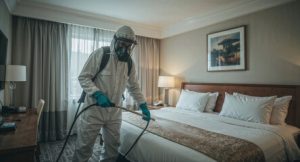
Understanding the types of pests that may invade a home is the first step in effective pest control. Common household pests include ants, cockroaches, termites, rodents, bed bugs, and spiders. Each of these pests presents unique challenges and requires specialized strategies for elimination. For example, termites can silently compromise the structural integrity of a home by consuming wood, while bed bugs can cause discomfort and allergic reactions through their bites. Rodents, on the other hand, not only damage property by gnawing on wires and insulation but also spread diseases such as hantavirus and salmonella. Recognizing the nature of these pests allows homeowners to implement appropriate control measures, whether through prevention, treatment, or ongoing monitoring.
Preventative measures are crucial in maintaining a pest-free home. One of the most effective strategies involves eliminating the conditions that attract pests. This includes sealing cracks and gaps in walls, floors, and windows, properly storing food in sealed containers, and maintaining cleanliness in kitchens and living areas. Moisture control is another critical component, as many pests, including cockroaches and termites, thrive in damp environments. Repairing leaks, ensuring proper drainage, and using dehumidifiers in humid areas can reduce the risk of infestation. By proactively addressing these vulnerabilities, homeowners can significantly lower the likelihood of pests entering their homes and reduce the need for reactive treatments.
Integrated pest management (IPM) is an approach widely recognized for its effectiveness in both controlling and preventing pest infestations. IPM combines multiple strategies to manage pests safely and efficiently. It emphasizes a combination of monitoring, identification, prevention, and treatment to minimize the use of chemical pesticides and promote long-term solutions. For instance, monitoring traps can be used to detect pest activity early, while mechanical barriers, such as screens or sealing materials, prevent pests from accessing living spaces. When chemical treatments are necessary, professionals apply targeted solutions that are effective yet safe for humans and pets. IPM not only addresses current infestations but also reduces the risk of future occurrences, creating a sustainable pest control strategy.
Professional pest control services provide a comprehensive approach that addresses both visible and hidden infestations. Experts can identify the root causes of pest problems and recommend tailored solutions. This may involve inspecting the property for signs of infestation, identifying the species involved, and developing a plan that includes both immediate treatment and ongoing prevention. Professional services often employ advanced techniques and tools, including environmentally friendly pesticides, traps, and monitoring devices, ensuring effective results while minimizing risks to family members and pets. Engaging with professionals also ensures that the treatment is thorough, reducing the chance of recurrence and providing peace of mind for homeowners.
One common and destructive household pest is the termite. Termites can go unnoticed for years while causing significant structural damage. Early detection and treatment are critical to prevent costly repairs. Professional termite control typically involves soil treatment, bait systems, and wood treatments to eliminate colonies and protect the property. Regular inspections by pest control experts can identify early signs of termite activity, allowing for timely intervention. By addressing termite infestations proactively, homeowners can safeguard the structural integrity of their homes and avoid the expensive consequences of untreated damage.
Rodent control is another essential component of pest management. Rodents, including rats and mice, reproduce quickly and can contaminate food, damage property, and spread disease. Effective rodent control involves a combination of exclusion techniques, trapping, and safe baiting. Professionals identify entry points and seal them to prevent further access, while monitoring traps and baits to reduce existing populations. Regular inspections and maintenance are also crucial, as rodents are persistent and can find new ways into homes if vulnerabilities exist. By implementing comprehensive rodent control measures, homeowners can maintain a hygienic and safe environment.
Insects such as ants, cockroaches, and spiders are also common intruders that can disrupt household comfort. Cockroaches, for example, are not only unsightly but also carry pathogens that can trigger allergies and asthma. Ants can contaminate food sources and create structural damage if colonies are established within walls. Professional pest control solutions for insects typically involve targeted treatments, including residual sprays, bait stations, and ongoing monitoring to prevent reinfestation. Homeowners can complement these efforts by maintaining cleanliness, promptly addressing food spills, and sealing potential entry points, creating a holistic defense against insect infestations.
Bed bugs present a particularly challenging pest due to their ability to hide in small crevices and reproduce quickly. Infestations can cause sleepless nights, discomfort, and even allergic reactions. Effective bed bug control requires a combination of heat treatments, chemical applications, and thorough inspection of all potential hiding places, including mattresses, furniture, and baseboards. Professionals often provide follow-up inspections and treatments to ensure complete eradication. Additionally, preventive measures, such as protective mattress covers and careful monitoring when traveling, can reduce the risk of re-infestation, keeping homes safe and healthy.
A comprehensive approach to pest control also involves educating homeowners about best practices and sustainable prevention methods. Proper waste management, maintaining clean kitchens and bathrooms, storing food securely, and regularly inspecting properties for signs of pests are fundamental habits that complement professional treatments. Landscaping choices can also impact pest activity, as certain vegetation or standing water can attract insects or rodents. By combining informed daily habits with expert interventions, homeowners can create a long-term, pest-resistant environment.
Regular inspections and maintenance schedules are a cornerstone of effective pest control. Just as homeowners schedule routine plumbing or HVAC checks, periodic pest inspections can detect issues before they escalate. Professional pest control services often offer recurring maintenance programs, which include regular monitoring, preventive treatments, and timely response to any detected activity. This proactive approach reduces the risk of severe infestations and ensures that homes remain safe, healthy, and comfortable year-round.
Finally, choosing the right pest control strategy balances effectiveness with safety. Homeowners should seek solutions that minimize exposure to chemicals, protect pets and children, and align with environmental considerations. Modern pest control solutions often integrate eco-friendly products, low-toxicity treatments, and targeted application methods that provide safe yet efficient results. Combining these professional strategies with informed homeowner practices creates a comprehensive defense that ensures a home remains both pest-free and environmentally responsible.
In conclusion, pests pose significant risks to homes, health, and peace of mind, making effective pest control solutions essential for every homeowner. By understanding common pests, implementing preventative measures, and engaging professional services, individuals can maintain a safe and healthy living environment. Integrated pest management, regular inspections, targeted treatments, and education about best practices create a comprehensive approach that protects both the property and the family. From termites and rodents to insects and bed bugs, professional pest control services offer expertise, tailored solutions, and ongoing support to address current infestations and prevent future problems. A proactive, informed approach ensures that your home remains a secure, comfortable, and healthy space for years to come.